
This company has no active jobs
0 Review
Rate This Company ( No reviews yet )

Prams Pushchairs
(0)About Us
15 Weird Hobbies That’ll Make You Smarter At Pushchair And Pram
Understanding Pushchairs and Prams: A Comprehensive Guide
When it comes to baby mobility, the terms “pushchair” and “pram stores near me” are often used interchangeably. Nevertheless, they represent unique types of baby providers, each crafted for specific stages of a kid’s advancement and varied parental requirements. This post explores the important distinctions between pushchairs and prams, their functions, types, and factors to consider for new parents.
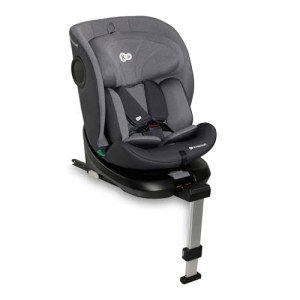
What is a Pushchair?
A pushchair, frequently referred to as a stroller in some regions, is created for kids who can stay up separately. Usually, pushchairs are modern, lightweight, and have a seat that can be reclined for included convenience. They may also include a five-point harness to make sure the child’s safety while on the go.
Key Features of Pushchairs
- Lightweight Design: Most pushchairs are made from lighter products, making them simple to steer and transport.
- Adjustable Seats: Many models provide recline choices, accommodating resting or active positions.
- Canopy: Most pushchairs come geared up with a sunshade or canopy to safeguard the kid from sun direct exposure.
- Storage Space: They usually include a lower storage basket, perfect for holding diaper bags or shopping.
Typical Types of Pushchairs
- Requirement Pushchairs: Traditional choices appropriate for children who can sit separately.
- Umbrella Strollers: Lightweight, compact, and simple to fold; perfect for taking a trip.
- All-Terrain Strollers: Built with bigger wheels for off-road abilities and smooth rides on diverse surfaces.
- Travel Systems: Combines a stroller and a baby safety seat, allowing parents to move their child seamlessly.
What is a Pram?
A pram, short for “perambulator,” is primarily created for infants, normally from birth till roughly six months. Prams are structured with a flat lying position that supports a newborn’s anatomy, ensuring they are cradled properly.
Secret Features of Prams
- Flat Bed Design: prams and strollers have a fully flat bed, which is essential for young babies who need to lie flat for comfort and health.
- Stylish Aesthetics: Many prams boast vintage or timeless styles, often seen with luxurious materials and appealing finishes.
- Suspension System: Quality prams typically include a suspension system to supply a smoother ride over rough surface.
- Extended Canopy: Extended sun protection and rain covers are common.
Typical Types of Prams
- Classic Prams: Featuring a traditional style, these are often styled to stimulate nostalgia.
- Convertible Prams: These can rapidly change from a pram to a pushchair and generally grow with the child.
- Light-weight Prams: More compact than conventional prams, making them simpler to transport.
Distinctions Between Pushchairs and Prams
| Feature | Pushchair | pram shops near me (talking to) |
|---|---|---|
| Use Case | For children who can sit up | For newborns and infants |
| Design | Upright seat with reclining option | Flat bed for resting |
| Weight | Normally lighter | Heavier due to durable construction |
| Compactness | Folds quickly and compactly | May be bulkier, depending on design |
| Age Range | 6 months to 4 years or older | Birth to roughly 6 months |
| Price Range | More budget friendly options readily available | Typically more costly due to materials and design |
Selecting Between a Pushchair and Pram
When picking between a pushchair sale and a pram, a number of factors warrant factor to consider:
- Age of the Child: Newborns need a pram; older babies and young children will be more comfortable in a pushchair.
- Way of life Needs: Parents who travel often might choose light-weight pushchairs, while those searching for comfort in style might favor prams.
- Budget plan: Prams can range from reasonably to high-priced; credible pushchairs can accommodate budget-conscious consumers.
- Storage Space: Consider how quickly the chosen model can fit in your automobile trunk or home storage.
FAQs
Q1: Can I use a pushchair for a newborn baby?
While certain pushchairs are developed with reclining functions that may accommodate infants, it is usually advised to use a pram or specifically created baby safety seat for newborns.
Q2: Are travel systems worth the investment?
Travel systems can offer benefit by combining a car seat and a stroller. They enable smooth shift from car to stroller, which many parents discover indispensable.
Q3: How do I keep my pushchair or pram?
Regularly tidy the material, check for mechanical issues, and lube the wheels. Make sure to follow particular care instructions offered by the producer.
Q4: What is the weight limit for pushchairs and prams?
Weight limitations vary by model: normally, pushchairs accommodate up to 50 pounds, while prams fit babies as much as 30 lbs. Always describe the producer’s guidelines.
Q5: Is it necessary to have a rain cover for my pushchair or pram?
Yes, a rain cover can secure your kid from rain and wind, maintaining comfort while preventing moist clothes.
In summary, pushchairs and prams serve crucial but distinct roles in the mobility landscape for parents and caregivers. Picking the right model depends upon the kid’s age, lifestyle needs, and family choices. By comprehending the qualities, benefits, and distinctions between pushchairs and prams, parents can make informed decisions that ensure comfort and security for their child. Whether strolling through the park or browsing hectic streets, the ideal mobility service is out there waiting.