
This company has no active jobs
0 Review
Rate This Company ( No reviews yet )

Oven Hobs
(0)About Us
5 Tools That Everyone Working In The Electric Oven & Hob Industry Should Be Making Use Of
Understanding Electric Ovens and Hobs: Your Guide to Cooking Efficiency
Electric ovens and hobs have changed the cooking landscape, providing home cooks and expert chefs a reputable, efficient, and consistent way to prepare meals. As technological developments continue to influence device design, the performance and functionality of electric cooking systems have significantly improved. This short article explores the features, benefits, and factors to consider surrounding electric ovens and hobs, offering a comprehensive summary for anybody wanting to update or purchase kitchen devices.
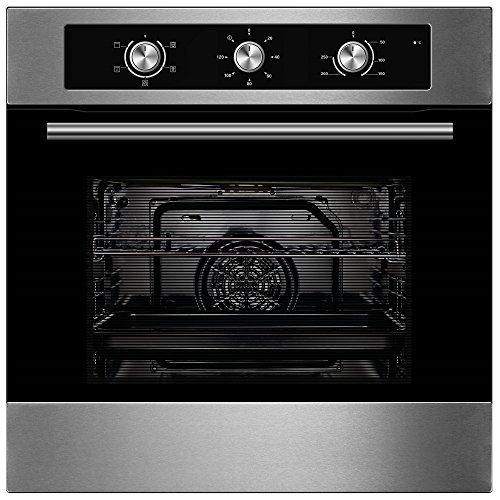
What Are Electric Ovens and Hobs?
Electric ovens are kitchen home appliances designed for baking, broiling, roasting, and other cooking techniques that require controlled heat. They use electric coils or convected heat components to generate and maintain the preferred temperature. Electric hobs, typically described as electric cooktops, are flat surface areas with heating elements that permit pots and pans to be put directly on them for cooking.
Table 1: Key Differences Between Electric Ovens and Hobs
| Function | Electric Oven | Electric Hob |
|---|---|---|
| Main Function | Baking, roasting, broiling | Heating pots and pans for cooking |
| Heating Method | Electric coils or glowing components | Induction, glowing, or ceramic elements |
| Operation Temperature Range | As much as 500 ° F (260 ° C | ) Varies by design; usually lower than ovens |
| Cooking Styles | Versatile; appropriate for various dishes | Mainly stovetop cooking techniques |
| Area Requirement | Normally built into kitchen cabinetry | Often standalone or built-in options |
| Energy Consumption | Typically higher, depending upon usage | More energy-efficient with induction hobs |
Benefits of Electric Ovens and Hobs
When considering electric ovens and hobs, it’s important to understand their many advantages, which can improve the cooking experience.
1. Consistent Heating
Electric ovens hobs and hobs supply even and consistent heating, which is vital for numerous cooking strategies. This makes sure that dishes prepare uniformly, lowering the opportunities of overcooking or undercooking specific areas of food.
2. Safety Features
Modern electric ovens and hobs come geared up with various security functions to avoid mishaps in the kitchen. For example, lots of models include automated shut-off functions, hot surface area indicators, and kid safety locks.
3. Easy to Use
Unlike gas models, electric ovens and hobs are uncomplicated and easy to use. The simpleness of switching on a dial or pressing a button makes them accessible for cooks of all skill levels.
4. Versatile Cooking Options
With various cooking techniques possible, from baking to simmering, electric designs are versatile sufficient to accommodate a wide variety of cooking styles and choices.
5. Cleaning up and Maintenance
Electric ovens usually feature smooth surfaces that are easy to clean, especially models with self-cleaning capabilities. Hobs, especially induction types, likewise offer a flat surface that is easy to clean down, making upkeep a breeze.
Popular Types of Electric Ovens:
- Conventional Ovens: Ideal for traditional baking and roasting.
- Convection Ovens: Circulate hot air for quicker, even cooking.
- Microwave Ovens: Use electro-magnetic radiation for fast heating and cooking.
- Toaster Ovens: Small countertop ovens for quick tasks.
Popular Types of Electric Hobs:
- Induction Hobs: Utilize electromagnetic fields for fast heating and energy effectiveness.
- Glowing Hobs: Feature electric coils that heat up to cook food.
- Ceramic Hobs: Offer a smooth surface and are simple to tidy.
Factors To Consider When Choosing Electric Ovens and Hobs
While electric ovens and hobs offer numerous benefits, numerous factors need to be taken into account to make sure the ideal fit for your kitchen:
1. Area Availability
Assess the available kitchen space before purchasing. Identify whether you require an integrated model or a freestanding home appliance, and determine the measurements carefully to guarantee a good fit.
2. Cooking Needs
Identify your cooking routines and preferences. If you routinely bake large quantities or cook complex meals, think about an oven with sophisticated functions like convection settings or numerous racks.
3. Energy Efficiency
Try to find energy-efficient designs that can conserve on energy bills gradually. Energy Star-rated appliances can be particularly cost-efficient.
4. Budget plan
Set a practical spending plan that represents both the preliminary purchase and ongoing operating expense. In addition to the home appliance cost, factor in installation and possible repairs.
5. Additional Features
Consider whether functions like wise innovation, programmable settings, or steam cooking options are very important for your cooking style.
FAQ Section
Q: How do I tidy my electric oven?
A: Most electric ovens featured self-cleaning options. If your design does not have this feature, enable the oven to cool, then wipe down surfaces with a mixture of baking soda and water or an industrial oven cleaner.
Q: Is induction cooking safe?
A: Yes, induction cooking is considered safe as the heating aspect just activates when compatible cookware is in contact with it, lowering the risk of burns.
Q: How long does it consider an electric oven to pre-heat?
A: Preheating times differ based on the oven’s design and temperature setting however usually range from 10 to 15 minutes.
Q: Can I utilize any pots and pans on an induction hob?
A: No, only ferromagnetic cookware works with induction hobs. Look for induction compatibility before usage to prevent damage.
Q: What is the difference between a stove and a conventional electric oven?
A: A convection oven consists of a fan that circulates hot air, guaranteeing even cooking and decreased cooking times compared to a traditional electric oven, which does not have this function.
Electric ovens and hobs offer a contemporary option to different cooking requirements, providing efficiency and dependability in the kitchen. As customers examine their choices, understanding the functions, types, and considerations will enable them to make informed decisions. Whether one is an occasional cook or a culinary enthusiast, electric appliances can improve the overall cooking experience, bringing convenience and imagination to the table.