
This company has no active jobs
0 Review
Rate This Company ( No reviews yet )

Oven For Kitchen
(0)About Us
What Freud Can Teach Us About Single Fan Oven
Understanding the Single Fan Oven: A Comprehensive Guide
The culinary world has evolved significantly for many years, with appliances becoming more advanced and efficient. One such development is the single fan oven, a kitchen staple for many home cooks and professional chefs alike. This post looks into the intricacies of single fan ovens, their advantages, and practical ideas for use.
What is a Single Fan Oven?
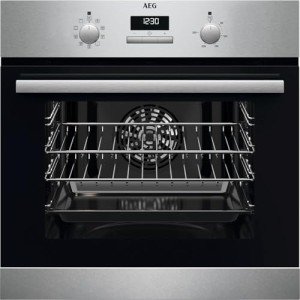
A single fan oven, likewise called a stove, is created to prepare food equally utilizing a fan and an internal exhaust system. Unlike traditional ovens that rely primarily on convected heat, single fan ovens circulate hot air around the food, making sure a constant temperature level throughout the cooking process. This function improves cooking efficiency and decreases cooking times compared to standard ovens.
How Does a Single Fan Oven Work?
The mechanics of a single fan oven are uncomplicated but innovative. The oven comprises numerous key parts:
- Heating Element: This produces the heat needed for cooking, typically located at the top and bottom of the oven.
- Fan: Positioned at the back of the oven, this part flows the hot air around the food.
- Control Panel: It allows users to set the temperature level and cooking time.
- Thermostat: This device displays and keeps the preferred temperature level throughout cooking.
When the oven is switched on, the heating elements heat up, and the fan begins to circulate the heat uniformly. This makes sure that all sides of the food are exposed to hot air, resulting in better cooking results– particularly for baked items.
Advantages of Using a Single Fan Oven
Single fan ovens boast several benefits, making them popular among cooking lovers. The primary advantages include:
1. Even Cooking
- The distributing air avoids cold and hot spots within the oven, enabling food to prepare equally. This is particularly useful for baking pastries, cakes, and bread.
2. Lowered Cooking Time
- By distributing hot air, stove usually cook food quicker than conventional ovens. This can cause time cost savings in meal preparation.
3. Energy Efficiency
- Single fan ovens generally utilize less energy, as they can prepare food faster and may require lower temperature levels.
4. Browning and Crisping
- The airflow in a single fan oven assists attain a preferable golden-brown finish on dishes, particularly casseroles, roasted vegetables, and meats.
5. Versatility
- These ovens are capable of a variety of cooking designs, from roasting and baking to broiling and reheating leftovers.
Comparing Single Fan Ovens with Traditional Ovens
To better understand the distinct qualities of a single fan oven, it’s helpful to compare it to a traditional oven. The table listed below summarizes key distinctions:
| Feature | Single Fan Oven | Conventional Oven |
|---|---|---|
| Cooking Method | Convection (flowing air) | Radiant heat |
| Cooking Time | Shorter | Longer |
| Temperature level Consistency | More consistent | Can have hot/cold spots |
| Energy Consumption | Usually lower | Higher |
| Suitable for Baking | Much better browning and increasing | Great for roasting |
How to Use a Single Fan Oven
For optimum results with a single fan oven, consider these practical pointers:
-
Adjust Temperature and Cooking Time:
- When utilizing a single fan oven, lower the cooking temperature by about 20 ° F (10 ° C) compared to traditional dishes. As a guideline of thumb, look for doneness a bit earlier than specified.
-
Use Shallow Baking Pans:
- Shallow pans enable better airflow, promoting even cooking and browning.
-
Avoid Crowding the Oven:
- Ensure sufficient area in between meals for air blood circulation.
-
Turn Baking Sheets:
- For multiple trays or pans, turn them midway through cooking to ensure even heat circulation.
-
Keep the Oven Door Closed:
- Each time the door is opened, heat leaves; prevent unnecessary openings throughout cooking.
FAQs About Single Fan Ovens
-
Can I use regular recipes in a single fan oven?
- Yes, however it’s advised to change both the temperature level and cooking time for optimal outcomes.
-
Are single fan ovens more expensive than traditional ovens?
- They can vary in price, but while some designs might be more pricey, their performance can cause cost savings on energy costs.
-
Can I bake multiple products at the same time?
- Yes, but spaced out properly for even air blood circulation. It’s suggested to turn trays midway through cooking.
-
Do single fan ovens come with extra functions?
- Lots of designs feature self-cleaning alternatives, multiple cooking modes, and wise innovation for enhanced benefit.
-
Is maintenance different for single fan ovens?
- Maintenance is similar however be conscious of the fan and ensure it’s kept tidy for ideal efficiency.
The single fan oven sticks out as an exceptional choice for those looking to boost their cooking abilities and performance in the kitchen. Its capability to prepare food equally and quicker can change the cooking experience, making even the most complex recipes easy to execute. By comprehending how to utilize a single fan oven effectively and leveraging its advantages, home cooks and expert chefs can take pleasure in a more pleasant and efficient cooking journey.