

This company has no active jobs
0 Review
Rate This Company ( No reviews yet )
About Us
The No. One Question That Everyone In Mobility Scooters Should Know How To Answer
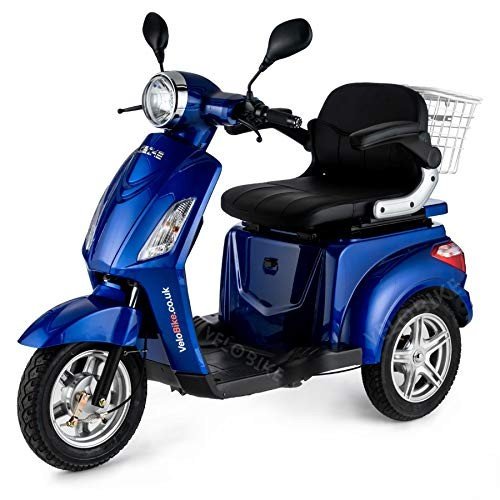
Electric Mobility Scooters UK: A Comprehensive Guide
Electric mobility scooters have rapidly become a vital part of modern-day transport, especially in the United Kingdom. These devices use a convenient, environmentally friendly, and affordable alternative for people with mobility problems, enabling them to maintain their self-reliance and browse their lives with greater ease. This article supplies an in-depth introduction of electric mobility scooters in the UK, including their advantages, types, legal considerations, and tips for choosing the ideal model.
Introduction to Electric Mobility Scooters
Electric mobility scooters are motorized cars designed to assist people with walking difficulties or other mobility disabilities. They come in numerous sizes and styles, from compact models for indoor use to robust, all-terrain scooters for outdoor activities. These scooters are powered by rechargeable batteries and can reach speeds of up to 8 miles per hour, depending upon the model.
Benefits of Electric Mobility Scooters
- Enhanced Independence
- Mobility scooters make it possible for users to take a trip longer distances without tiredness, minimizing the requirement for help from others.
- Cost-efficient
- Compared to other forms of transport, electric mobility scooters uk scooters are reasonably low-cost to acquire and preserve.
- Eco-Friendly
- Electric mobility scooters produce absolutely no emissions, making them an eco-friendly option.
- Enhanced Accessibility
- These scooters can be used in different settings, from supermarkets and shopping mall to parks and recreational areas, increasing accessibility.
- Social Inclusion
- By supplying a way of transportation, mobility scooters assist users stay socially connected and engaged in neighborhood activities.
Kinds Of Electric Mobility Scooters
-
Class 2 (Electric Wheelchairs)
- Designed for use on pavements and footpaths.
- Optimum speed: 4 mph.
- Suitable for indoor and outdoor use.
-
Class 3 (Electric Mobility Scooters)
- Can be utilized on roadways, pavements, and walkways.
- Optimum speed on roadways: 8 mph.
- Maximum speed on pavements: 4 miles per hour.
- Ideal for longer journeys and outdoor usage.
-
Collapsible Scooters
- Compact and light-weight, developed for easy storage and transportation.
- Ideal for users who regularly take a trip or have restricted storage space.
-
All-Terrain Scooters
- Built to handle rough terrain and off-road conditions.
- Frequently have bigger wheels and more effective motors.
- Suitable for users who enjoy outdoor activities like hiking or gardening.
-
Sturdy Scooters
- Created to support users with greater weight capabilities.
- Strong construction and improved sturdiness.
- Appropriate for individuals who require a more robust and trusted choice.
Legal Considerations in the UK
-
Licensing and Insurance
- No driving license or insurance is required for Class 2 and Class 3 mobility scooters.
- However, users must be at least 14 years of ages to ride a Class 3 scooter on the road.
-
Road Rules
- Class 3 scooters must have a red and amber light system and a rear reflector to be utilized on the road.
- Users should follow roadway rules and be conscious of their surroundings.
- Pavement use is restricted to 4 miles per hour for both Class 2 and Class 3 scooters.
-
Disability Allowance
- Some users may be qualified for a mobility allowance through the UK government, which can assist cover the cost of a scooter.
- The Motability Scheme is a government-funded program that supplies monetary support for buying mobility aids.
Tips for Choosing the Right Electric Mobility Scooter
-
Assess Your Needs
- Figure out where and how you will mainly utilize the scooter (inside, outdoors, both).
- Think about the distance you need to take a trip and the terrain you will experience.
-
Test Ride
- Go to a regional mobility shop to test ride different models.
- Make sure the scooter is comfortable and simple to operate.
-
Battery Life
- Pick a scooter with a battery life that fits your day-to-day requirements.
- Think about the charging time and the availability of backup batteries.
-
Weight Capacity
- Check the weight capacity of the scooter to ensure it can support your needs.
- Heavy-duty designs are readily available for users with higher weight requirements.
-
Features and Accessories
- Try to find features like adjustable seats, tilt mechanisms, and easy-to-read control board.
- Consider devices such as baskets, seat belts, and weather condition defense.
Maintenance and Safety
-
Regular Check-Ups
- Arrange routine upkeep checks to guarantee the scooter remains in good working condition.
- Replace worn parts and charge the battery frequently.
-
Safety Gear
- Constantly wear proper security gear, such as a helmet and reflective clothing.
- Use lights and reflectors when riding in low-light conditions.
-
Roadway Etiquette
- Be courteous to pedestrians and other road users.
- Follow designated paths and avoid busy areas.
-
Storage and Security
- Store the scooter in a dry, secure area to avoid damage and theft.
- Think about using a locking mechanism or GPS tracker for included security.
Often Asked Questions (FAQs)
Q: Do I require a driving license to use an electric mobility scooter in the UK?
- A: No, a driving license is not required for Class 2 or Class 3 mobility scooters. However, users need to be at least 14 years of ages to ride a Class 3 scooter on the roadway.
Q: Can I use my mobility scooter on the pavement?
- A: Yes, both Class 2 and Class 3 scooters can be utilized on pavements and walkways. The optimum speed on pavements is 4 mph.
Q: How much does an electric mobility scooter expense?
- A: Prices vary depending upon the design and functions. Entry-level scooters can cost around ₤ 500, while advanced designs can range from ₤ 1,000 to ₤ 5,000.
Q: Is there financial support readily available for buying a mobility scooter?
- A: Yes, the Motability Scheme provides financial support for eligible individuals. You may likewise be qualified for a disability allowance to assist cover the expense.
Q: How far can an electric mobility scooter travel on a single charge?
- A: The variety differs by design, however most scooters can travel between 10 to 30 miles on a single charge. Heavy-duty designs may have a much shorter range.
Q: Can I transfer my mobility scooter in a car?
- A: Yes, collapsible and light-weight designs are developed for easy transportation. Some car makers also provide adaptive devices to accommodate mobility scooters.
Q: Are there any age constraints for utilizing a mobility scooter?
- A: There are no particular age limitations for utilizing a Class 2 scooter. Nevertheless, users should be at least 14 years of ages to ride a Class 3 scooter on the roadway.
Q: Can I utilize my mobility scooter in bad weather condition?
- A: Most electric mobility scooters are weather-resistant, however it’s recommended to use caution and prevent incredibly damp or icy conditions. Consider including weather protection accessories.
Electric mobility scooters have changed the way people with mobility problems travel and participate in day-to-day activities. With their many benefits, including boosted independence, cost-effectiveness, and environmental friendliness, they are an important financial investment for lots of people. By understanding the different kinds of scooters, legal considerations, and maintenance ideas, users can make informed decisions and take pleasure in the full series of benefits these gadgets provide. Whether you are looking for a compact indoor design or a robust all-terrain scooter, there is an ideal choice offered to meet your needs and boost your quality of life.
Extra Resources
- Motability Scheme: Visit the main site for additional information on monetary assistance and eligibility.
- Department for Transport: Read the standards for utilizing mobility scooters in the UK.
- Regional Mobility Shops: Find a reliable shop in your location to test ride and acquire a mobility scooter.