

This company has no active jobs
0 Review
Rate This Company ( No reviews yet )
About Us
Some Of The Most Ingenious Things Happening With Mobility Scooters
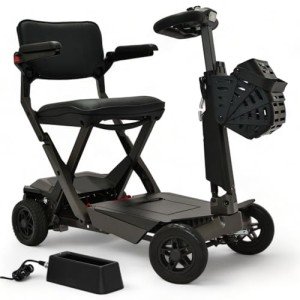
Electric Mobility Scooters UK: A Comprehensive Guide
Electric mobility scooters have quickly become a vital part of modern transportation, particularly in the United Kingdom. These devices offer a convenient, eco-friendly, and cost-effective alternative for people with mobility concerns, allowing them to maintain their independence and browse their every day lives with higher ease. This short article offers a detailed summary of electric mobility scooters in the UK, including their benefits, types, legal factors to consider, and ideas for choosing the ideal model.
Introduction to Electric Mobility Scooters
Electric mobility scooters are motorized cars designed to help people with strolling problems or other mobility problems. They can be found in numerous sizes and designs, from compact designs for indoor use to robust, all-terrain scooters for outdoor activities. These scooters are powered by rechargeable batteries and can reach speeds of as much as 8 mph, depending on the model.
Advantages of Electric Mobility Scooters
- Improved Independence
- Mobility scooters enable users to travel longer distances without fatigue, decreasing the need for help from others.
- Economical
- Compared to other forms of transportation, electric scooters are reasonably economical to purchase and preserve.
- Eco-Friendly
- Electric mobility scooters produce absolutely no emissions, making them an eco-friendly choice.
- Enhanced Accessibility
- These scooters can be used in different settings, from grocery stores and shopping mall to parks and leisure locations, increasing ease of access.
- Social Inclusion
- By offering a means of transportation, mobility scooters assist users stay socially linked and engaged in community activities.
Kinds Of Electric Mobility Scooters
-
Class 2 (Electric Wheelchairs)
- Designed for usage on pavements and footpaths.
- Maximum speed: 4 miles per hour.
- Appropriate for indoor and outdoor usage.
-
Class 3 (Electric Mobility Scooters)
- Can be used on roads, pavements, and paths.
- Optimum speed on roadways: 8 mph.
- Optimum speed on pavements: 4 miles per hour.
- Ideal for longer journeys and outside use.
-
Foldable Scooters
- Compact and lightweight, designed for simple storage and transport.
- Suitable for users who often take a trip or have limited storage area.
-
All-Terrain Scooters
- Built to deal with rough terrain and off-road conditions.
- Often have larger wheels and more effective motors.
- Suitable for users who delight in outside activities like treking or gardening.
-
Durable Scooters
- Developed to support users with higher weight capacities.
- Tough building and enhanced toughness.
- Appropriate for people who require a more robust and trustworthy option.
Legal Considerations in the UK
-
Licensing and Insurance
- No driving license or insurance is required for Class 2 and Class 3 mobility scooters.
- However, users need to be at least 14 years old to ride a Class 3 scooter on the road.
-
Roadway Rules
- Class 3 scooters need to have a red and amber light system and a rear reflector to be utilized on the roadway.
- Users must follow roadway rules and know their surroundings.
- Pavement usage is restricted to 4 miles per hour for both Class 2 and Class 3 scooters.
-
Disability Allowance
- Some users may be eligible for a mobility allowance through the UK federal government, which can assist cover the expense of a scooter.
- The Motability Scheme is a government-funded program that supplies monetary assistance for acquiring mobility aids.
Tips for Choosing the Right Electric Mobility Scooter
-
Examine Your Needs
- Figure out where and how you will primarily utilize the scooter (indoors, outdoors, both).
- Think about the distance you need to take a trip and the surface you will encounter.
-
Test Ride
- Check out a regional mobility shop to test trip various designs.
- Make sure the scooter is comfortable and easy to run.
-
Battery Life
- Pick a scooter with a battery life that suits your daily needs.
- Consider the charging time and the schedule of backup batteries.
-
Weight Capacity
- Inspect the weight capacity of the scooter to ensure it can support your requirements.
- Durable designs are available for users with greater weight requirements.
-
Functions and Accessories
- Search for functions like adjustable seats, tilt systems, and easy-to-read control panels.
- Consider accessories such as baskets, safety belt, and weather condition protection.
Upkeep and Safety
-
Regular Check-Ups
- Set up routine maintenance checks to make sure the scooter is in great working condition.
- Change worn parts and recharge the battery frequently.
-
Safety Gear
- Constantly use proper safety gear, such as a helmet and reflective clothes.
- Usage lights and reflectors when riding in low-light conditions.
-
Roadway Etiquette
- Be courteous to pedestrians and other roadway users.
- Follow designated courses and prevent overloaded areas.
-
Storage and Security
- Store the scooter in a dry, safe location to avoid damage and theft.
- Consider using a locking system or GPS tracker for added security.
Often Asked Questions (FAQs)
Q: Do I need a driving license to utilize an electric mobility scooter in the UK?
- A: No, a driving license is not required for Class 2 or Class 3 mobility scooters. Nevertheless, users should be at least 14 years of ages to ride a Class 3 scooter on the roadway.
Q: Can I use my mobility scooter on the pavement?
- A: Yes, both Class 2 and Class 3 scooters can be utilized on pavements and footpaths. The optimum speed on pavements is 4 miles per hour.
Q: How much does an electric mobility scooter expense?
- A: Prices differ depending on the design and functions. Entry-level scooters can cost around ₤ 500, while more sophisticated models can vary from ₤ 1,000 to ₤ 5,000.
Q: Is there monetary help readily available for buying a mobility scooter?
- A: Yes, the Motability Scheme offers monetary assistance for qualified people. You may likewise be qualified for a disability allowance to assist cover the expense.
Q: How far can an electric mobility scooter travel on a single charge?
- A: The variety differs by model, but many scooters can travel between 10 to 30 miles on a single charge. Sturdy designs might have a shorter range.
Q: Can I carry my mobility scooter in a cars and truck?
- A: Yes, collapsible and light-weight designs are designed for easy transport. Some automobile producers likewise offer adaptive devices to accommodate mobility scooters.
Q: Are there any age constraints for utilizing a mobility scooter?
- A: There are no particular age limitations for utilizing a Class 2 scooter. However, users need to be at least 14 years of ages to ride a Class 3 scooter on the roadway.
Q: Can I use my mobility scooter in bad weather?
- A: Most electric mobility scooters uk mobility scooters are weather-resistant, but it’s advisable to utilize caution and avoid exceptionally damp or icy conditions. Think about adding weather protection devices.
Electric mobility scooters have revolutionized the way individuals with mobility issues travel and participate in daily activities. With their many advantages, including boosted independence, cost-effectiveness, and environmental friendliness, they are an important investment for many people. By understanding the various types of scooters, legal factors to consider, and upkeep suggestions, users can make educated choices and enjoy the full variety of advantages these devices provide. Whether you are searching for a compact indoor model or a robust all-terrain scooter, there is a perfect choice offered to meet your needs and enhance your quality of life.
Additional Resources
- Motability Scheme: Visit the official site to learn more on financial assistance and eligibility.
- Department for Transport: Read the standards for utilizing mobility scooters in the UK.
- Regional Mobility Shops: Find a reputable shop in your location to test ride and purchase a mobility scooter.