
This company has no active jobs
0 Review
Rate This Company ( No reviews yet )

Baby Cots On Sale
(0)About Us
7 Things About Tots And Cots You’ll Kick Yourself For Not Knowing
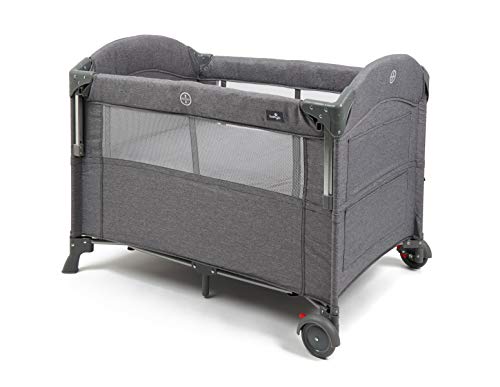
Tots and Cots: A Comprehensive Guide for Parents
When it pertains to ensuring a safe and comfortable sleeping environment for babies and toddlers, the options parents make– ranging from cribs to cots– can considerably affect their well-being. Today’s post dives deep into the complexities of selecting the very best sleeping plans for tots, highlighting safety, style, performance, and how these options evolve as a child grows.
Comprehending Tots and Cots
Tots generally describe young children, especially toddlers aged in between 1 to 3 years, while cots are the sleeping plans specifically designed for infants and young children. The appropriate sleeping equipment for this age group consists of numerous kinds of cots, cribs, and young child beds.
Types of Cots
Various styles exist to fulfill the varied requirements of both moms and dads and kids. Below is a list detailing the most common types of cots available:
-
Standard Crib
- A standard crib is created for infants and typically consists of sides that can be gotten used to different heights.
-
Convertible Crib
- This kind of crib can transform into a young child bed, daybed, or full-sized bed as the kid grows, making it a long-term financial investment.
-
Portable Crib
- Likewise known as travel cots, these are light-weight and quickly collapsible, perfect for taking a trip or smaller home.
-
Co-Sleeper
- A co-sleeper crib connects to the side of the moms and dads’ bed, enabling for easy gain access to while making sure the baby has a separate and safe sleeping space.
-
Toddler Bed
- A toddler bed is a little bed that resembles a basic bed however is designed specifically for young children, generally featuring safety rails.
-
Mini Crib
- Mini Cot Beds cribs are smaller sized than standard cribs, making them a great alternative for tight areas, however they appropriate for babies only.
Security Considerations
Making sure security is vital when picking a cot for a kid. Here are important security standards parents ought to consider:
- Check for CPSC Certification: Ensure that the cot follows the Consumer Product Safety Commission (CPSC) requirements.
- Prevent Drop-Sides: Cots with drop-sides have actually been connected to security hazards, and the most recent safety policies restrict them.
- Use a Firm Mattress: A firm mattress minimizes the danger of suffocation and must fit comfortably within the cot.
- Keep Bedding Simple: Use a fitted sheet and avoid pillows, comforters, and stuffed animals that can position suffocation dangers.
- Follow Weight and Age Guidelines: Ensure the child has not exceeded the cot’s weight limitation and is still within the advised age.
Transitioning from a Cot to a Toddler Bed
The shift from a cot to a toddler bed can be an emotional milestone for both parents and kids. Here are actions to alleviate the transition:
Timing
Deciding when to shift can be subjective, however it’s usually recommended to make the switch between 18 months and 3 years, based on factors like:
- Physical Ability: If the child is climbing out of the cot.
- Potty Training: Consider transitioning if the child is toilet training and requires easier gain access to.
- Behavior: Exhibiting signs of maturity, such as following instructions or revealing a desire for independence.
Tips for Making the Transition Smooth
-
Involve Your Child: Let the kid select their new bedding or bed design to instill excitement about the modification.
-
Keep Routine Consistent: Maintain the kid’s bedtime routine to provide convenience throughout this duration of modification.
-
Discuss the Change: Discuss the transition to a young child bed positively, making it sound like an excellent adventure.
-
Precaution: Place the bed versus the wall or usage bed rails to prevent falling throughout sleep.
Selecting the Right Bed
When choosing a young child bed, parents require to consider elements like:
- Height: Low-profile beds are ideal for young children who might fall out during sleep.
- Toughness: Ensure the bed can hold up against active play in addition to sleep.
- Style and Design: Choose a design that complements the kid’s room and is interesting the kid.
Selecting the right cot for your kid can be a daunting process, but comprehending the options readily available, crucial security considerations, and the best timing for transitioning to a young child bed can make this journey easier for moms and dads. Investing effort and time into these decisions will make sure that your child has a safe, comfy, and nurturing sleep environment.
Frequently asked questions
1. What is the distinction in between a cot and a crib?
- A cot is usually a smaller sized bed designed for younger young children, while a crib is a bigger bed that is usually suitable for babies as much as 3 years old.
2. When should I move my child from a crib to a toddler bed?
- The shift time is usually between 18 months and 3 years; this modification is based on the child’s physical capabilities and behavioral signs.
3. How can I ensure my child is safe while sleeping?
- Always adhere to security standards, utilize a firm mattress with a simple bed linen plan, and keep track of the cot’s weight limit.
4. What should I do if my kid tries to climb out of the cot?
- If your kid is climbing up out, it may be time to consider transitioning to a young child bed to avoid falls.
5. Can I use the exact same mattress when transitioning?
- Typically, it is best to change the crib bed mattress with one that specifies to the young child bed. Guarantee it fits snugly and abides by security requirements.
By considering these elements, moms and dads can design healthy sleep routines and supply their kids with a protected environment that promotes relaxing sleep. Purchasing quality sleeping plans will add to the kid’s general development and joy.