
This company has no active jobs
0 Review
Rate This Company ( No reviews yet )

Automatic Vacuum Cleaner
(0)About Us
The No. One Question That Everyone Working In Robo Vacuum Must Know How To Answer
The Unassuming Champion of Clean: A Deep Dive into the World of Robo Vacuums
In today’s busy world, the unrelenting pursuit of efficiency permeates every aspect of our lives. Family chores, once a significant time dedication, are increasingly being streamlined and automated. Amongst these developments, the robotic vacuum, or robo vacuum, stands out as a silent yet effective ally in keeping a tidy and comfortable home. No longer a futuristic fantasy, robo vacuums have ended up being mainstream, offering a convenient and reliable method to keep floors pristine with very little effort.
This article looks into the world of robo vacuums, exploring their functionality, advantages, considerations for purchase, and the future of this significantly indispensable home device. Whether you are considering signing up with the robo vacuum revolution or simply curious about these automated cleaners, this thorough guide will offer important insights into their capabilities and how they can transform your cleaning routine.
How Do These Little Cleaning Robots Work?
At their core, robo vacuums are sophisticated pieces of innovation packed into a compact, typically disc-shaped device. Their operation is a remarkable blend of sensing units, algorithms, and cleaning mechanisms operating in concert to navigate and clean your floors.
Many robo vacuums depend on a suite of sensors to understand their environment. These can consist of:
- Bump Sensors: These sensing units spot physical contact with obstacles, indicating the robot to change direction and avoid accidents with furnishings and walls.
- Cliff Sensors: Essential for safety, cliff sensing units detect drops and ledges, avoiding the robot from dropping stairs or off raised surface areas.
- Wall Sensors: These make it possible for the robot to follow walls carefully, ensuring comprehensive edge cleaning.
- Infrared or Optical Sensors: Some robotics use infrared or optical sensing units for navigation and mapping, enabling them to “see” the room layout and move more systematically.
- LiDAR (Light Detection and Ranging): More advanced designs utilize LiDAR, a laser-based innovation that develops a comprehensive map of the room. This permits precise navigation, efficient cleaning courses, and virtual limit setting.
Beyond sensors, advanced algorithms direct the robot’s movement. Fundamental designs might use random bounce patterns, while more advanced designs utilize methodical cleaning courses, room mapping, and even zone cleaning capabilities. These algorithms help the robot cover the entire floor area and make sure no spots are missed.
The cleaning power of a robo vacuum comes from a mix of brushes and suction. Turning brushes, often positioned underneath and on the side, loosen debris and sweep it towards the suction nozzle. The suction motor then draws dirt, dust, and pet hair into a dustbin within the robot. Some models also integrate a mopping function, using a damp pad or water tank to gently mop difficult floorings after vacuuming.
The Allure of Automation: Benefits of Owning a Robo Vacuum
The appeal of robo vacuums comes from the numerous benefits they offer, streamlining cleaning and freeing up valuable time. Here are some crucial advantages:
- Convenience and Time Savings: This is perhaps the most substantial advantage. Robo vacuums run autonomously, enabling you to reclaim the time generally spent vacuuming. Simply set a schedule or press a button, and the robot takes care of the floor cleaning while you focus on other tasks or relax.
- Constant Cleanliness: Robo vacuums can be configured to clean routinely, even daily. This consistent cleaning helps prevent the accumulation of dust, dirt, and irritants, contributing to a healthier and cleaner home environment.
- Simple And Easy Pet Hair Management: For pet owners, robo vacuums are a game-changer. They effectively take on pet hair, dander, and tracked-in dirt, keeping floorings cleaner and minimizing allergic reaction triggers. Regular robo vacuuming can considerably decrease the continuous battle versus pet hair.
- Reaching Under Furniture: Their low profile enables robo vacuums to browse under beds, couches, and other furniture, locations that are frequently challenging to reach with a standard vacuum. This makes sure thorough cleaning in these often-neglected spaces.
- Ideal for Busy Lifestyles: For people and households with busy schedules, robo vacuums offer a practical service for maintaining a clean home without adding another chore to their already jam-packed days. They can be arranged to clean while you are at work or asleep.
- Smart Home Integration: Many modern robo vacuums use smart functions like app control, voice assistant compatibility (Amazon Alexa, Google Assistant), and Wi-Fi connection. This permits push-button control, scheduling, tracking, and integration into smart home ecosystems.
Navigating the Choices: Factors to Consider When Selecting a Robo Vacuum
The robo vacuum market is varied, with designs varying from standard cleaners to feature-rich smart gadgets. Selecting the ideal robo vacuum requires thinking about numerous elements to line up with your particular requirements and budget.
Here are crucial aspects to examine:
- Navigation and Mapping:
- Random Bounce: Basic models navigate randomly, bouncing off challenges. They are less efficient and may miss areas.
- Systematic Navigation: Models with organized navigation clean in arranged patterns (rows or S-shapes), using better coverage and effectiveness.
- Mapping (Visual or LiDAR): Advanced models map your home, allowing exact navigation, room recognition, zone cleaning, and virtual boundaries. LiDAR mapping is usually thought about more precise and effective.
- Suction Power: Consider the suction power, often measured in pascals (Pa). Greater suction power is useful for homes with carpets, carpets, and pets, guaranteeing reliable elimination of debris and pet hair.
- Battery Life and Coverage: Check the battery life and the approximated cleaning area per charge. Guarantee the battery capability suffices to clean your whole home or the wanted cleaning zones in a single cycle.
- Filter Type: Look for HEPA filters, especially if allergies or breathing sensitivities are an issue. HEPA filters record great particles like dust mites, pollen, and pet dander, enhancing air quality.
- Functions:
- App Control: Offers advanced features like scheduling, remote control, cleaning history, zone cleaning, and virtual walls.
- Virtual Walls and No-Go Zones: Allows you to specify restricted areas the robot need to avoid, protecting fragile items or keeping it out of certain rooms.
- Scheduling: Enables pre-setting cleaning times and days for automated cleaning routines.
- Mopping Function: Some models offer mopping capabilities for hard floorings. Consider the type of mopping (vibrating pad, water circulation control) and water tank capability.
- Voice Control: Compatibility with voice assistants like Alexa or Google Assistant for hands-free control.
- Floor Type Compatibility: Ensure the robo vacuum is ideal for your floor types (hardwood, carpet, tile, etc). Some models are enhanced for specific floor types, while others use versatile efficiency. Think about brushroll style and suction adjustments for various surface areas.
- Noise Level: Robo vacuums vary in noise levels. If noise level of sensitivity is a concern, try to find designs with lower decibel scores.
- Upkeep and Durability: Consider the ease of maintenance, such as dustbin emptying, brush cleaning, and filter replacement. Research study the brand name’s track record for sturdiness and customer assistance.
- Spending plan: Robo vacuums vary in cost from budget-friendly to premium models. Identify your spending plan and focus on features that are most important to you within that price range.
Keeping Your Robo Vacuum Running Smoothly: Essential Maintenance Tips
To guarantee your robo vacuum operates effectively and lasts for many years to come, routine maintenance is vital. Basic maintenance tasks will keep your robot cleaning effectively and prevent efficiency concerns.
Here are necessary maintenance steps:
- Empty the Dustbin Regularly: Empty the dustbin after each cleaning cycle or as indicated by the robot’s full bin indication. A full dustbin lowers suction power and cleaning efficiency.
- Clean the Brushes: Regularly inspect and clean up the main brush and side brushes. Get rid of tangled hair, debris, and threads that can hinder brush rotation.
- Clean the Sensors: Gently clean the sensing units (bump, cliff, wall, optical/LiDAR) with a soft, dry fabric to remove dust or debris that can block their functionality.
- Change Filters: Replace filters according to the maker’s suggestions. Filthy filters decrease suction and air quality. HEPA filters need periodic replacement to maintain their filtering effectiveness.
- Inspect and Clean Wheels: Periodically inspect the wheels for debris or hair entanglement. Clean the wheels to make sure smooth motion and navigation.
- Keep Battery Health: Follow charging directions and prevent leaving the robot continuously on the charging dock after it is fully charged. This can help lengthen battery life.
- Software Updates: For smart robo vacuums, keep the software application upgraded. Updates typically include efficiency improvements, bug fixes, and brand-new functions.
Exposing Myths: Common Misconceptions About Robo Vacuums
Regardless of their growing appeal, some mistaken beliefs continue about robo vacuums. It’s important to separate fact from fiction to make informed decisions.
- Misconception: Robo Vacuums Are as Powerful as Regular Vacuums.
- Truth: Robo vacuums usually have lower suction power than full-sized upright or cylinder vacuums. They are created for day-to-day or regular maintenance cleaning, not deep cleaning or dealing with greatly stained locations. However, for routine maintenance, they are incredibly efficient.
- Myth: Robo Vacuums Get Stuck Easily and Require Constant Supervision.
- Truth: Modern robo vacuums are equipped with sensors and algorithms developed to browse challenges and avoid getting stuck. While periodic intervention might be required, particularly in messy environments, they are usually autonomous and need very little guidance. Advanced designs with mapping and virtual boundaries further reduce the threat of getting stuck.
- Misconception: Robo Vacuums Are Expensive Toys and Not Worth the Investment.
- Truth: While premium models can be expensive, there are robo vacuums readily available at various rate points. Considering the time cost savings, convenience, and consistent tidiness they provide, robo vacuums can be a worthwhile financial investment for many homes, offering substantial value in return for their rate.
- Misconception: Robo Vacuums Can not Handle Pet Hair Effectively.
- Reality: Many robo vacuums are specifically designed to take on pet hair. Models with strong suction, specialized brushes, and HEPA filters are extremely efficient at selecting up pet hair, dander, and irritants. Regular robo vacuuming is typically more effective for pet hair management than irregular manual vacuuming.
The Future is Autonomous: What’s Next for Robo Vacuum Technology?
The advancement of robo vacuums is ongoing, with improvements continually enhancing their abilities. The future promises much more intelligent, efficient, and flexible cleaning robots.
Anticipate to see developments in:
- Enhanced AI and Machine Learning: Robo vacuums will become even smarter, utilizing AI and machine knowing to much better comprehend their environment, acknowledge things, prevent barriers better, and adapt to changing home designs.
- Improved Navigation and Mapping: Navigation systems will become more exact and sophisticated, potentially including 3D mapping and advanced sensing unit blend for a lot more efficient cleaning courses and barrier avoidance.
- More Powerful Cleaning Performance: Suction power and brush designs will continue to enhance, enabling robo vacuums to deal with even tougher cleaning jobs and contend more carefully with traditional vacuums in terms of cleaning power.
- Integration with Smart Home Ecosystems: Seamless integration with smart home platforms and devices will end up being a lot more common, using greater control and automation through voice commands, smart home routines, and customized cleaning schedules.
- Multi-Functionality: We may see robo vacuums that incorporate additional performances beyond vacuuming and mopping, such as air filtration, security functions, and even object fetching capabilities.
Conclusion: Embracing the Robotic Cleaning Revolution
Robo vacuums have actually transitioned from a novelty item to a practical and increasingly important home home appliance. Their capability to automate floor cleaning provides unparalleled convenience, releases up valuable time, and contributes to a cleaner and much healthier home environment. By comprehending their performance, advantages, and choosing the best design for your requirements, you can welcome the robotic cleaning revolution and experience the uncomplicated cleanliness that robo vacuums bring. As innovation continues to advance, robo vacuums are poised to become a a lot more integral part of our homes, further simplifying our lives and redefining the future of cleaning.
Frequently Asked Questions (FAQs) about Robo Vacuums
Q: Are robo vacuums as reliable as traditional vacuums?
A: While not normally as powerful as full-sized vacuums for deep cleaning, robo vacuums are extremely effective for day-to-day or regular maintenance cleaning. They stand out at selecting up dust, dirt, pet hair, and fine particles, keeping floors regularly tidy.
Q: Are robo vacuums helpful for pet hair?
A: Yes, numerous robo vacuums are particularly created for pet hair. Try to find models with strong suction, tangle-free brushes, and HEPA filters to effectively handle pet hair and dander.
Q: How long do robo vacuum batteries last?
A: Battery life differs depending on the model and cleaning mode. Most robo vacuums provide battery life ranging from 60 to 120 minutes on a single charge, enough to clean a typical-sized home.
Q: How much upkeep do robo vacuums need?
A: Robo vacuums require minimal maintenance. Routine tasks consist of emptying the dustbin, cleaning brushes, and replacing filters regularly. Many designs are developed for easy upkeep.
Q: Are robo vacuums pricey?
A: Robo vacuums are offered at different rate points, from economical to premium designs. The price depends on features, navigation innovation, and brand. There are choices to match various budget plans.
Q: Can robo vacuums integrate with smart home systems?
A: Yes, lots of contemporary robo vacuums use smart features and Wi-Fi connection, permitting integration with smart home systems like Amazon Alexa and Google Assistant for voice control and automation.
Q: Can robo vacuums navigate complex layouts and several rooms?
A: Advanced robo vacuums with mapping and systematic navigation are designed to navigate intricate layouts and numerous rooms effectively. They can map your home and clean methodically.
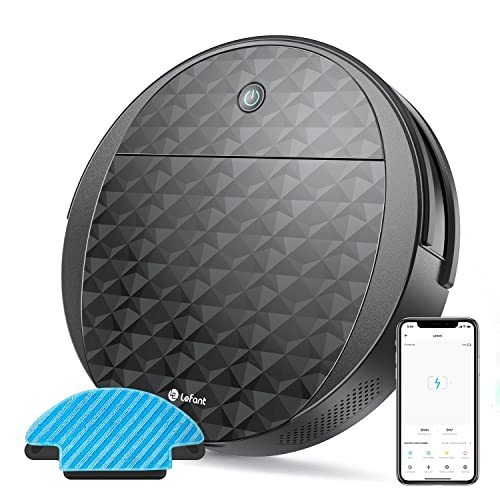
Q: Do robo vacuums mop as well as vacuum?
A: Some robo vacuums use a mopping function. While they provide light mopping for tough floors, they are not a replacement for deep mopping. The mopping function is best robot Vacuum cleaner uk for preserving cleanliness between deeper cleans.